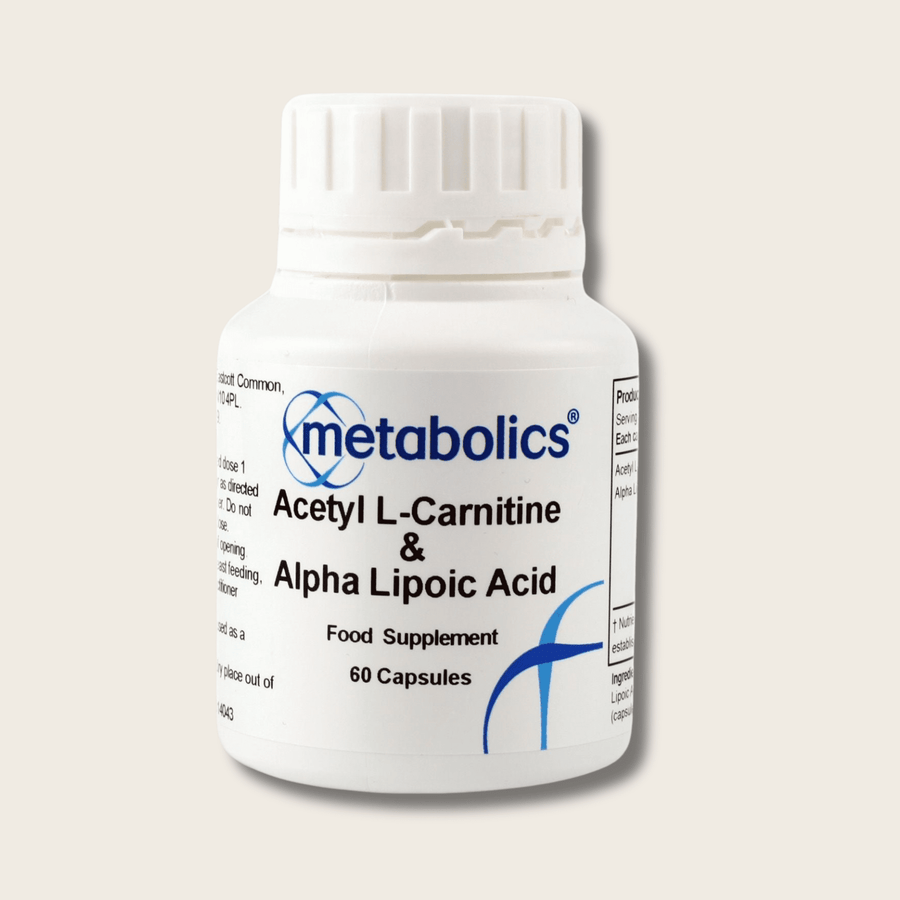
Metabolics Quercetin is a high-quality food supplement containing quercetin extracted from the buds of Sophora japonica L., a plant recognised for its natural flavonoid content. Quercetin [2-(3,4-dihydroxyphenyl)-3,5,7-trihydroxy-4H-chromen-4-one] is a naturally occurring flavonol predominantly found in onions and, in smaller amounts, in apples, cherries, grapes, black tea, and green tea. It belongs to a broader group of plant-derived polyphenols known as flavonoids. These compounds are characterised by their diverse phenolic structures and their capacity to interact with oxidative and enzymatic processes within the body. As quercetin is not synthesised by the body, it must be obtained through diet or supplementation.
Quercetin's physiological relevance lies in its molecular structure, which includes multiple hydroxyl groups. These enable it to interact with reactive oxygen species (ROS), unstable by-products generated during normal metabolism and in response to environmental exposures such as pollutants and ultraviolet light. Through this interaction, quercetin is part of the body’s antioxidant network. Additionally, it has been shown to modulate the activity of enzymes involved in oxidative and inflammatory pathways, suggesting a role in the body’s adaptive response to stress.
Quercetin is often studied in the context of seasonal environmental changes that influence histamine release and immune cell activity. Its interaction with enzymes and signalling pathways linked to the body’s response to airborne particles has made it a subject of interest in research exploring natural compounds associated with the body's response to pollen and other seasonal exposures.